:+86 15106109009
:sales@couplingzy.com

 sk
sk


Stabilita kovových flexibilných spojok v prostredí s extrémnymi teplotami
Kovové elastické spojky zaujímajú osobitnú pozíciu v mechanickom prenose sily: na rozdiel od pružných spojok na báze polyméru, ktorých výkon je pevne spojený s úzkym tepelným oknom, kovové elastické spojky odvodzujú svoju poddajnosť od riadenej deformácie kovových prvkov – tanierových pružín, listových pružín, membrán, vlnovcov alebo hadovitých ohybov. Táto celokovová konštrukcia im dáva zásadnú tepelnú výhodu. Teplotné extrémy však kladú zložité a často konkurenčné požiadavky na vlastnosti materiálu, rozmerovú stabilitu, únavové správanie a stav povrchu. Pochopenie toho, ako kovové elastické spojky reagujú na tieto požiadavky, je nevyhnutné pre inžinierov, ktorí špecifikujú hnacie systémy v letectve, kryogénnom spracovaní, výrobe ocele, plynových turbínach a akejkoľvek aplikácii, kde sa okolité podmienky podstatne líšia od štandardnej konštrukčnej základnej línie pri izbovej teplote.
Čo definuje kovovú elastickú spojku
Kovová elastická spojka prenáša krútiaci moment medzi hnacím hriadeľom a hnaným hriadeľom prostredníctvom elastickej deformácie jedného alebo viacerých kovových pružných prvkov, a nie prostredníctvom pevného mechanického kontaktu alebo polymérovej vložky. Pružný prvok súčasne plní tri funkcie: prenáša prenášaný krútiaci moment, vyrovnáva relatívne vychýlenie hriadeľa prostredníctvom riadeného ohybu a poskytuje určitý stupeň torznej poddajnosti, ktorý filtruje kolísanie rýchlosti a tlmí dynamické zaťaženie.
Hlavné skupiny kovových elastických spojok, s ktorými sa stretávame v priemyselnej a leteckej praxi, sú:
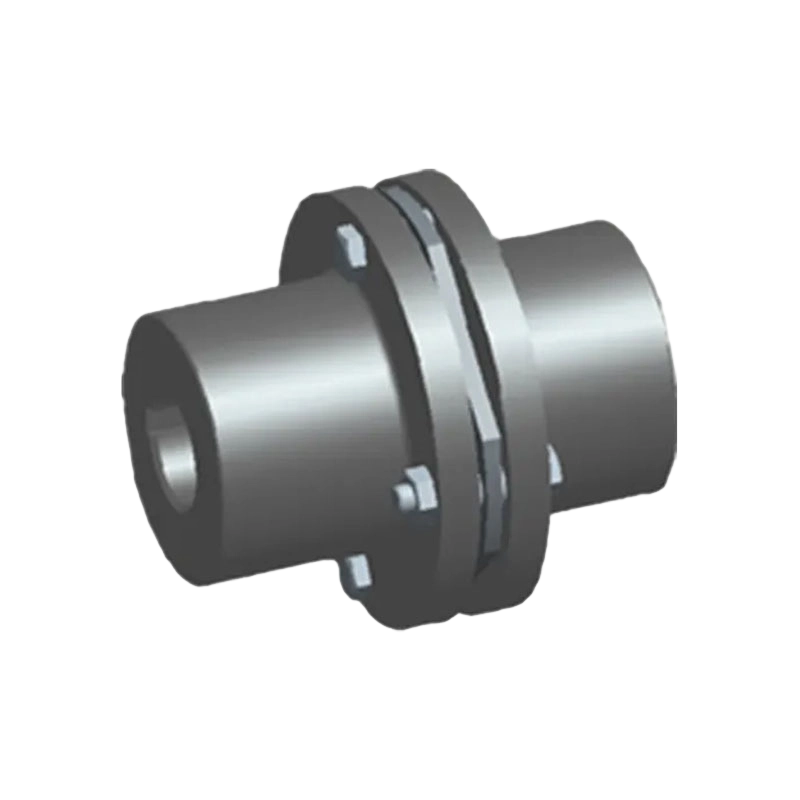
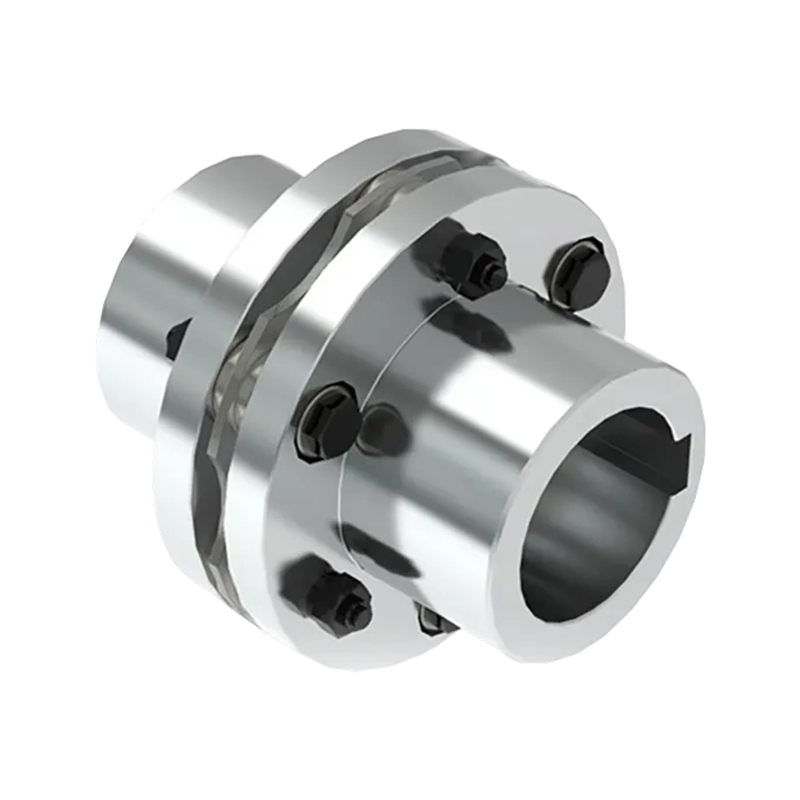
- Disk-pack spojky: Tenké kruhové lamelové kotúče, zvyčajne z nehrdzavejúcej ocele alebo precipitačne tvrdenej zliatiny, priskrutkované striedavo k hnacej a hnanej prírube. V balíku diskov dochádza k ohybu, pretože vyrovnáva uhlové a axiálne vychýlenie.
- Membránové spojky: Jedna alebo viac tvarovaných prstencových membrán, často z titánovej zliatiny alebo vysokolegovanej ocele, ktoré sa ohýbajú, aby sa prispôsobili nesúosovosti a zároveň prenášali vysoký krútiaci moment s veľmi nízkou vôľou. Široko používaný v turbostrojoch a vysokorýchlostných kompresorových vlakoch.
- Vlnovcové spojky: Tenkostenná vlnitá kovová rúrka – zvyčajne austenitická nehrdzavejúca oceľ alebo Inconel – ktorá poskytuje torznú tuhosť na prenos krútiaceho momentu a zároveň sa ohýba axiálne a laterálne, aby sa kompenzovala nesúososť. Bežné v aplikáciách presných servomotorov a kódovačov.
- Spojky listová pružina (serpentínové): Sínusové alebo hadovité kovové pásy vložené medzi dve príruby náboja. Pružinové pásy sa pri zaťažení ohýbajú, čím poskytujú torznú poddajnosť a vyrovnávanie sa s vychýlením.
Všetky tieto návrhy zdieľajú definujúcu charakteristiku, že ich výkon závisí od mechanického správania kovového elastického prvku - závislosti, ktorá robí zmeny vlastností materiálu vyvolané teplotou ústredným problémom v aplikáciách v extrémnom prostredí.
Tepelné účinky na kovové elastické prvky
Teplota ovplyvňuje správanie kovovej elastickej spojky prostredníctvom niekoľkých simultánnych a vzájomne sa ovplyvňujúcich mechanizmov. Pochopenie každého mechanizmu jednotlivo je predpokladom pre vyhodnotenie celkovej stability spojky v širokom teplotnom rozsahu.
Zmeny v module pružnosti
Modul pružnosti kovu - pomer napätia k deformácii v lineárnej elastickej oblasti - klesá, keď teplota stúpa, a zvyšuje sa, keď teplota klesá. Pre austenitické nehrdzavejúce ocele bežne používané v kotúčových a vlnovcových spojkách je modul pružnosti pri 500 °C typicky o 15-18% nižšia ako pri izbovej teplote, kým pri –200 °C môže byť o 10–12 % vyššia. Toto posunutie priamo ovplyvňuje torznú tuhosť spojky: diskový blok alebo membrána, ktorá poskytuje definovanú uhlovú tuhosť pri 20 °C, bude merateľne mäkšia pri zvýšenej teplote a tuhšia v kryogénnej prevádzke.
Praktickým dôsledkom je posun torznej vlastnej frekvencie hnacieho systému. Ak bol systém vyladený pri izbovej teplote tak, aby bola jeho rezonančná frekvencia bezpečne vzdialená od prevádzkových budiacich frekvencií, významná zmena modulu pri prevádzkovej teplote môže túto rezonanciu priblížiť k prevádzkovej rýchlosti s potenciálne škodlivými následkami. Tepelná korekcia výpočtov torznej vlastnej frekvencie je preto povinná pre systémy pracujúce mimo rozsahu teplôt okolia.
Tepelná expanzia a zmena rozmerov
Kovové komponenty sa pri zahrievaní rozťahujú a pri ochladzovaní sťahujú úmerne ich koeficientu tepelnej rozťažnosti (CTE) a zmenenej teplote. V kovovej elastickej spojke to ovplyvňuje:
- Pasuje vŕtanie a hriadeľ: Presahové uloženie dimenzované pri izbovej teplote sa môže uvoľniť pri zvýšenej teplote, ak sa hriadeľ a náboj rozťahujú rôznou rýchlosťou – kritický problém, keď sa kombinujú rozdielne kovy, ako je napríklad titánový membránový náboj na oceľovom hriadeli.
- Predpätie skrutky: Ak sú ohybný prvok a skrutky, ktoré ho upínajú, z rôznych materiálov s rôznymi CTE, tepelné cyklovanie môže zmeniť predpätie skrutky, a to buď znížením zvieracej sily (rizikové preklzávanie pod krútiacim momentom), alebo jej zvýšením na úrovne, ktoré namáhajú prírubu alebo kotúč.
- Osová poloha pripojených strojov: Tepelný rast dlhých hriadeľov a puzdier generuje axiálne posunutie, ktorému sa musí spojka prispôsobiť. Axiálna únosnosť ohybného prvku musí byť overená vzhľadom na skutočný tepelný nárast v celom rozsahu prevádzkových teplôt.
Keď zostava spojky prekoná významný teplotný gradient – napríklad spojka spájajúca hriadeľ horúcej turbíny s chladnejšou prevodovkou – rozdielna tepelná rozťažnosť pozdĺž osi spojky vytvára trvalé axiálne zaťaženie ktorý sa prekrýva s dynamickými zaťaženiami z prenosu krútiaceho momentu a kompenzácie nesúososti.
medza klzu a únavové vlastnosti
Únavová životnosť kovového elastického prvku sa riadi amplitúdou cyklického namáhania vzhľadom na medzu odolnosti materiálu. Medza klzu a medza únavy konštrukčných kovov sú závislé od teploty:
- O zvýšené teploty medza klzu a únosnosti sa znižujú. Balík diskov navrhnutý s pohodlnou hranicou únavy pri izbovej teplote môže byť vystavený cyklickému namáhaniu, ktoré sa blíži alebo prekračuje limit odolnosti materiálu pri zamýšľanej prevádzkovej teplote, čo výrazne znižuje životnosť.
- O kryogénne teploty Väčšina vysokolegovaných ocelí a zliatin titánu si zachováva alebo mierne zlepšuje svoju pevnosť v ťahu a medzu klzu. Niektoré materiály – najmä uhlíkové ocele a určité feritické nehrdzavejúce ocele – však pod kritickou teplotou prechádzajú prechodom z ťažného na krehký, po ktorom môže dôjsť k lomu pri úrovni napätia značne pod nominálnou medzou klzu. Výber materiálov s dobrou kryogénnou húževnatosťou (vysoká Charpyho nárazová energia pri minimálnej prevádzkovej teplote) je základnou konštrukčnou požiadavkou pre spojky v nízkoteplotnej prevádzke.
Plazenie a uvoľnenie stresu
Pri teplotách nad približne 30 – 40 % absolútneho bodu topenia kovu (prah tečenia) spôsobuje trvalé napätie pomalú, časovo závislú plastickú deformáciu známu ako tečenie. Pri oceliach sa tečenie stáva prakticky významným nad približne 400–450 °C; pre niklové superzliatiny je prah podstatne vyšší.
V kovovej elastickej spojke pracujúcej pri zvýšenej teplote vedie vniknutie do pružného prvku alebo upínacích skrutiek k uvoľnenie stresu — postupné znižovanie elastického napätia, ktoré bolo prítomné pri montáži. Skrutkové spoje môžu stratiť predpätie; balíky diskov môžu mať trvalú súpravu; diafragmy môžu vykazovať trvalé uhlové posunutie. Výsledkom je spojka, ktorá už nefunguje tak, ako bola navrhnutá, so zmenenou tuhosťou, zníženou únavovou životnosťou a potenciálne zníženou kapacitou krútiaceho momentu. Pre aplikácie nad prahom tečenia štandardných zliatin musia byť spojovacie materiály vybrané z vysokoteplotných tried s preukázanou odolnosťou voči tečeniu, ako je napríklad Inconel vytvrdený precipitáciou alebo Waspaloy.
Oxidácia a povrchová degradácia
Pri vysokých teplotách v oxidačných atmosférach môže povrch kovových elastických prvkov vytvárať oxidové šupiny. Pre väčšinu nehrdzavejúcich ocelí a zliatin niklu sa vytvára ochranná priľnavá vrstva oxidu, ktorá obmedzuje ďalšiu oxidáciu. Opakované tepelné cykly však môžu spôsobiť odlupovanie tejto vrstvy, obnaženie čerstvého kovu a postupnú degradáciu povrchu. Povrchová jamka, tvorba šupín a medzikryštalická oxidácia znižujú efektívny prierez tenkých kotúčových alebo vlnovcových prvkov a pôsobia ako miesta koncentrácie napätia, ktoré iniciujú únavové trhliny. Povlaky, povrchové úpravy alebo použitie zliatin odolných voči oxidácii sú dôležitými ochrannými opatreniami pre spojky vystavené vysokoteplotnému oxidačnému prostrediu.
Správanie sa v prostredí s vysokou teplotou
Vysokoteplotné aplikácie pre kovové elastické spojky zahŕňajú pohony príslušenstva motorov s plynovou turbínou, spojky generátorov parných turbín, hlavné pohony valcovne za tepla, pohony dopravníkov priemyselných pecí a petrochemické kompresorové súpravy. V týchto prostrediach môže byť spojka vystavená trvalým teplotám od 250 °C do značne nad 600 °C, pričom tepelné cykly sa prekrývajú počas spúšťania a vypínania.
Výber materiálu pre vysokoteplotné služby
Výber materiálu flexibilného prvku je najdôležitejším konštrukčným rozhodnutím pre vysokoteplotnú spojku. Materiály sa hodnotia podľa niekoľkých kritérií:
- Nerezové ocele kalené zrážaním (17-4 PH, 15-5 PH): Ponúka dobrú kombináciu pevnosti, miernej teplotnej schopnosti (do približne 300-350 °C) a odolnosti proti korózii. Široko používaný v spojkách disk-pack pre aplikácie kompresorov a čerpadiel.
- Austenitické nehrdzavejúce ocele (316L, 321, 347): Lepšia odolnosť voči vysokoteplotnej oxidácii ako precipitačne kalené druhy, s použiteľnou pevnosťou do približne 500–550 °C. Stabilizované druhy 321 a 347 odolávajú senzibilizácii a medzikryštalickej korózii po dlhšom vystavení vysokej teplote.
- Superzliatiny na báze niklu (Inconel 718, Waspaloy): Zachováva si vysokú pevnosť a odolnosť proti tečeniu do 650 °C a viac. Používa sa v najnáročnejších vysokoteplotných spojkách turbostrojov, kde štandardné nehrdzavejúce ocele nestačia.
- Zliatiny titánu (Ti-6Al-4V): Ponúka vysokú špecifickú pevnosť a dobrú schopnosť zvýšenia teploty do približne 300 °C v kombinácii s nízkou hustotou, ktorá minimalizuje rotačnú zotrvačnosť. Používa sa v leteckom a kozmickom priemysle a vo vysokorýchlostných membránových spojkách turbínových strojov, kde je obmedzením hmotnosť.
Úvahy o mazaní pri vysokej teplote
Kovové elastické spojky are generally designed to operate without lubrication at the flexible element — the flexure is intended to be a clean elastic deformation, not a sliding contact. However, the hub bores, keyways, and fastener threads in high-temperature couplings require anti-seize compounds or high-temperature thread lubricants to prevent galling and to ensure that the coupling can be disassembled for inspection without damaging the mating surfaces. Standard molybdenum disulfide (MoS₂) paste is widely used up to approximately 450°C; copper-based anti-seize compounds extend protection to higher temperatures.
Stratégie tepelnej bariéry a izolácie
Tam, kde spojka spája veľmi horúci stroj so strojom pri teplote okolia, vedenie tepla pozdĺž hriadeľa a cez spojku môže zvýšiť teplotu komponentov za nimi nad ich konštrukčné limity. Tepelné bariéry - zvyčajne krátka časť zliatiny s nízkou vodivosťou alebo keramikou potiahnutá dištančná trubica - môžu byť začlenené do spojovacej rozpery na obmedzenie toku tepla. V niektorých inštaláciách sa používajú ochranné kryty spojky s núteným vzduchom alebo vodou chladené na udržanie samotnej spojky v rozsahu prevádzkovej teploty.
Správanie v kryogénnom prostredí
Kryogénne aplikácie pre kovové elastické spojky zahŕňajú pohony kompresorov zariadení na kvapalný zemný plyn (LNG), pohony čerpadiel na kvapalný kyslík a kvapalný dusík, systémy supravodivých magnetov, pohony čerpadiel leteckých pohonných látok a kryogénne testovacie zariadenia v aerodynamickom tuneli. Prevádzkové teploty v týchto prostrediach sa pohybujú od –50 °C do –269 °C (teplota tekutého hélia).
Húževnatosť materiálu a prechod z ťažného na krehký
Prvoradým materiálovým problémom v dizajne kryogénnej spojky je lomová húževnatosť. Uhlíkové ocele a štandardné feritické nehrdzavejúce ocele prechádzajú pri nízkych teplotách prechodom z ťažného na krehký lom. Pod teplotou prechodu môžu tieto materiály náhle zlyhať pri úrovniach napätia ďaleko pod ich nominálnou medzou klzu. Austenitické nehrdzavejúce ocele (304L, 316L) a väčšina zliatin na báze niklu nevykazujú tento prechod — zostávajú húževnaté a tvárne až do teplôt tekutého hélia, čo z nich robí štandardnú voľbu materiálov pre kryogénne flexibilné prvky.
Zliatiny titánu si tiež zachovávajú primeranú húževnatosť pri kryogénnych teplotách, hoci musia byť hodnotené z hľadiska vodíkového krehnutia v aplikáciách zahŕňajúcich kvapalný vodík.
Zvýšená tuhosť pri nízkej teplote
Ako je uvedené vyššie, modul pružnosti kovových materiálov sa zvyšuje pri kryogénnych teplotách. Vlnovcová alebo kotúčová spojka, ktorá bola navrhnutá pre špecifickú torznú tuhosť pri izbovej teplote, bude merateľne tuhšia pri –196 °C. Toto zvýšenie tuhosti posúva torznú vlastnú frekvenciu hnacieho systému nahor a mení dynamické rozloženie zaťaženia v systéme. Torzná analýza hnacieho ústrojenstva by sa mala vykonať za teplých aj studených prevádzkových podmienok, aby sa potvrdilo, že v celom tepelnom prevádzkovom rozsahu nevznikajú žiadne kritické rezonancie.
Tepelná kontrakcia a riadenie fit
Kovové komponenty sa pri kryogénnych teplotách sťahujú. V prípade otvoru náboja namontovaného na hriadeli interferenciou je kontrakcia v smere, ktorý zvyšuje interferenciu – kryogénne podmienky vo všeobecnosti skôr utiahnu uloženie hriadeľa ako ich uvoľnia. však keď sa kombinujú rozdielne kovy s rôznymi koeficientmi tepelnej rozťažnosti diferenciálna kontrakcia môže spôsobiť veľmi vysoké namáhanie na rozhraní. Vyžaduje sa starostlivý výber rozmerov uloženia a kombinácií materiálov overených výpočtami tepelného namáhania, aby sa zabezpečilo, že v rozsahu prevádzkových teplôt nedôjde k uvoľneniu ani k uvoľneniu presahu.
Odstránenie požiadaviek na mazanie
Významnou prevádzkovou výhodou kovových elastických spojok v kryogénnej prevádzke je ich prirodzená absencia požiadaviek na mazanie na flexibilnom prvku. Konvenčné tukom mazané spojky – ako sú ozubené spojky – nemožno použiť v kryogénnom prostredí, pretože mazivá tuhnú pri nízkych teplotách a spôsobujú zadretie. Celokovový ohyb kotúčových, membránových alebo vlnovcových spojok bez mazania je preto praktickou nevyhnutnosťou v mnohých aplikáciách kryogénnych pohonov, okrem toho, že predstavuje výhodu výkonu.
Tepelné cyklovanie: kumulatívne účinky a interakcia únavy
Mnohé aplikácie pri extrémnych teplotách nezahŕňajú trvalú prevádzku v ustálenom stave pri jednej teplote – namiesto toho dochádza v spojke k opakovaným tepelným cyklom, keď sa systém spúšťa z chladu, dosahuje prevádzkovú teplotu a znova sa vypína. Každý tepelný cyklus superponuje cyklus tepelného namáhania na existujúci stav mechanického namáhania ohybného prvku.
Tepelná únava – iniciácia a šírenie trhlín poháňané cyklickým tepelným namáhaním – sa líši od mechanickej únavy, ale spolupôsobí s ňou. Celkové únavové poškodenie akumulované pružným prvkom je súčtom príspevkov z cyklov mechanického zaťaženia (kolísanie krútiaceho momentu, ohybové cykly vyvolané nesúosovosťou) a cyklov tepelného namáhania. V aplikáciách s častým tepelným cyklovaním môže byť príspevok tepelnej únavy porovnateľný alebo väčší ako príspevok mechanickej únavy , pričom obe musia byť zahrnuté do hodnotenia životnosti.
Tepelné cykly tiež poháňajú progresívnu zmenu rozmerov prostredníctvom rohatky – akumulácie malých prírastkov plastickej deformácie pri každom cykle – a prostredníctvom diferenciálneho rozťahovania a sťahovania skrutkových spojov, ktoré môžu časom meniť predpätie. Pravidelné opätovné uťahovanie upevňovacích prvkov a kontrola trvalej deformácie pružných prvkov sú preto štandardnými postupmi údržby spojok v tepelne cyklických prevádzkach.
Porovnávací výkon typov kovových elastických spojok v prevádzke pri extrémnych teplotách
Nižšie uvedená tabuľka sumarizuje vhodnosť štyroch základných typov kovových elastických spojok pre vysokoteplotné a kryogénne použitie, spolu s ich kľúčovými výkonnostnými charakteristikami súvisiacimi s teplotou.
| Typ spojky | Typický materiál Flex Element | Limit vysokej teploty (približne) | Kryogénna vhodnosť | Mazanie na Flex Element | Primárna teplota |
|---|---|---|---|---|---|
| Disk-Pack spojka | 17-4 PH SS, 316L SS, Inconel 718 | 300–600 °C (závisí od materiálu) | Dobré (austenitické stupne) | Žiadna sa nevyžaduje | Únava disku pri zníženej hranici únosnosti; strata predpätia skrutky |
| Membránová spojka | Ti-6Al-4V, 15-5 PH SS, Waspaloy | 300–650 °C (závisí od materiálu) | Dobrý (zliatina Ti, austenitická SS) | Žiadna sa nevyžaduje | Creep v membráne pri vysokej teplote; zvýšenie tuhosti pri nízkej teplote |
| Vlnovcová spojka | 316L SS, Inconel 625 | 450 až 600 °C | Výborná (austenitická SS, Inconel) | Žiadna sa nevyžaduje | Zriedenie stien oxidáciou; koncentrácia cyklického napätia vo vlnách |
| Listová pružina (serpentínová) spojka | Pružinová oceľ, 17-7 PH SS | 250 až 350 °C | Stredná (skontrolujte krehký prechod) | Žiadna sa nevyžaduje | Pružina nastavená na zvýšenú teplotu; znížená únavová životnosť |
Úvahy o návrhu pre spojovacie systémy pre extrémne teploty
Špecifikácia kovovej elastickej spojky pre prevádzku v tepelne náročnom prostredí si vyžaduje štruktúrovaný inžiniersky prístup, ktorý ďaleko presahuje štandardné výpočty krútiaceho momentu pri izbovej teplote a nesúosovosti.
Teplotne korigovaná torzná analýza
Torzná tuhosť spojky a torzná vlastná frekvencia celého hnacieho ústrojenstva sa musia vypočítať pri skutočnej prevádzkovej teplote, berúc do úvahy zmenu modulu materiálu pružného prvku. Ak pohonný systém prechádza rozsahom otáčok počas spúšťania, keď je spojka ešte studená, je potrebné skontrolovať aj prirodzenú frekvenciu pri studených podmienkach, aby sa potvrdilo, že počas prechodového nábehu nevznikajú kritické rezonancie.
Hodnotenie únavovej životnosti pri prevádzkovej teplote
Amplitúda cyklického napätia v ohybnom prvku musí byť vyhodnotená voči limitu únosnosti materiálu pri prevádzkovej teplote, nie pri izbovej teplote. Publikované údaje o únave pre kandidátske materiály pri zamýšľanej prevádzkovej teplote by sa mali získať od dodávateľa materiálu alebo zo zavedených konštrukčných referencií. Faktor únavovej bezpečnosti najmenej 1,5 až 2,0 na amplitúde napätia, vztiahnutý k limitu odolnosti pri vysokej teplote, je bežne používaným konštrukčným kritériom.
Tepelný rast a overenie axiálnej kapacity
Celkový axiálny posun, ktorému sa musí spojka prispôsobiť, by sa mal vypočítať z tepelného nárastu každého pripojeného stroja v celom jeho rozsahu prevádzkových teplôt. Axiálna nosnosť pružného prvku musí s primeranou rezervou presiahnuť toto vypočítané posunutie. Tam, kde je tepelný rast veľký, môže byť potrebná spojka s plávajúcim hriadeľom (dištančný prvok) s dvoma pružnými prvkami – jedným na každom konci – na rozdelenie axiálnych a uhlových požiadaviek medzi dve roviny ohybu.
Kompatibilita materiálu a spojovacích prvkov
Všetky materiály v zostave spojky – náboj, pružný prvok, skrutky a všetky dištančné komponenty – by sa mali posúdiť z hľadiska kompatibility v tepelnom prostredí. Osobitná pozornosť by sa mala venovať:
- Koeficient tepelnej rozťažnosti medzi nábojom a pružným prvkom, aby sa zabránilo nadmernému rozdielovému rastu pri prevádzkovej teplote.
- Výber materiálu upevňovacieho prvku na udržanie primeraného predpätia skrutiek v teplotnom rozsahu; vysokolegované skrutkové materiály (A286, Inconel 718) sa používajú vo vysokoteplotných aplikáciách, aby sa minimalizovala strata predpätia.
- Galvanická kompatibilita, keď sú rôzne kovy v kontakte za prítomnosti vlhkosti pri stredných teplotách.
Stratégia inšpekcie a monitorovania
Kovové elastické spojky in extreme thermal service should be subject to a defined inspection protocol. Key inspection activities include:
- Vizuálna a rozmerová kontrola pružných prvkov pri každej generálnej oprave na známky trvalej deformácie, praskania povrchu, poškodenia oxidáciou alebo korózie.
- Nedeštruktívne vyšetrenie (pre železné materiály penetračným činidlom alebo magnetická kontrola častíc; pre neželezné materiály fluorescenčný penetračný prostriedok) vysoko namáhaných zón ohybných prvkov, najmä otvorov pre kotúčové skrutky a prechodov otvorov membrány.
- Overenie predpätia upevňovacieho prvku kontrolou krútiaceho momentu alebo meraním predĺženia skrutky po prvom tepelnom cykle a následne v definovaných intervaloch.
- Monitorovanie podpisu vibrácií počas prevádzky na zistenie zmien v torznej vlastnej frekvencii, ktoré môžu naznačovať zmenenú tuhosť spojky v dôsledku degradácie materiálu alebo trvalého nastavenia.
Postupy údržby pre tepelne náročné aplikácie
Životnosť kovovej elastickej spojky v prostredí s extrémnymi teplotami je silne ovplyvnená kvalitou a konzistentnosťou programu údržby, ktorý sa na ňu aplikuje. Nasledujúce postupy sa odporúčajú ako súčasť štruktúrovaného plánu údržby:
- Vytvorte protokol tepelného cyklu: Zaznamenajte počet tepelných cyklov (spustenia a vypnutia) nahromadených každou spojkou v aplikáciách s vysokým počtom cyklov, ako sú špičkové jednotky plynových turbín. Tieto údaje použite na sledovanie spotreby akumulovanej únavy v porovnaní s konštrukčnou životnosťou pružného prvku.
- Na všetky upevňovacie prvky naneste zmesi proti zadieraniu: Použite zmes určenú pre maximálnu očakávanú prevádzkovú teplotu. Aplikujte znova pri každej demontáži, aby ste predišli zadretiu a zabezpečili, že vzťah medzi momentom a napätím upevňovacieho prvku zostane predvídateľný.
- Overte zarovnanie spojky pri prevádzkovej teplote: Ak je to možné, skontrolujte súososť hriadeľa so strojom pri jeho normálnej prevádzkovej teplote, pretože tepelný rast puzdier a podpier môže spôsobiť nesúososť, ktorá nie je prítomná v stave vyrovnania za studena.
- Nahradenie flexibilných prvkov podľa plánu založeného na stave alebo s obmedzenou životnosťou: Pre aplikácie kritické z hľadiska bezpečnosti stanovte životnosť flexibilných prvkov na základe akumulovaných prevádzkových hodín a tepelných cyklov a vyraďte ich pred týmto limitom bez ohľadu na zdanlivý stav.
- Náhradné flexibilné prvky správne skladujte: Balíky diskov, membrány a zostavy vlnovcov by sa mali skladovať v suchom, čistom prostredí bez mechanického poškodenia. Dokonca aj malé povrchové škrabance alebo preliačiny na tenkých ohybných prvkoch môžu pôsobiť ako miesta vzniku únavy a mali by byť dôvodom na odmietnutie pred inštaláciou.
- Rýchle odkazy
- About
- Products
- Our Service
- News & Events
- Contact
- Séria produktov
- Pružné spojky s neelastickými prvkami
- Pružné spojky s kovovými elastickými prvkami
- Pružné spojky s nekovovými elastickými prvkami
- Bezpečnostná spojka
- Pevná spojka
- Kontaktujte nás
- Tel : +86 511 8572 3800 +86 511 8572 3900
- Mobile : +86 15106109009
- Email : sales@couplingzy.com
- Add:No.1 Zhongye Yingbin Avenue, Gaozi Street, Dantu Economic Development Zone, Zhenjiang City, Jiangsu Province, Čína.


